Monitoring speed, sound, and vibration is critical for ensuring equipment reliability, workplace safety, and regulatory compliance. Excessive vibration or noise can indicate mechanical faults, imbalance, misalignment, or wear in industrial machinery. Early detection helps prevent costly downtime and equipment failure.
Our range of speed, sound, and vibration instruments is engineered to provide accurate diagnostic and environmental monitoring solutions. Designed for industrial plants, maintenance teams, environmental audits, and safety inspections, these instruments offer high precision, portability, and durable construction for dependable performance in demanding conditions.
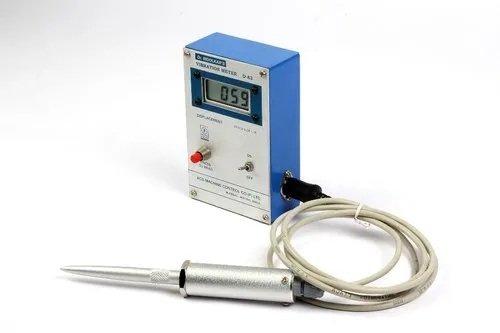
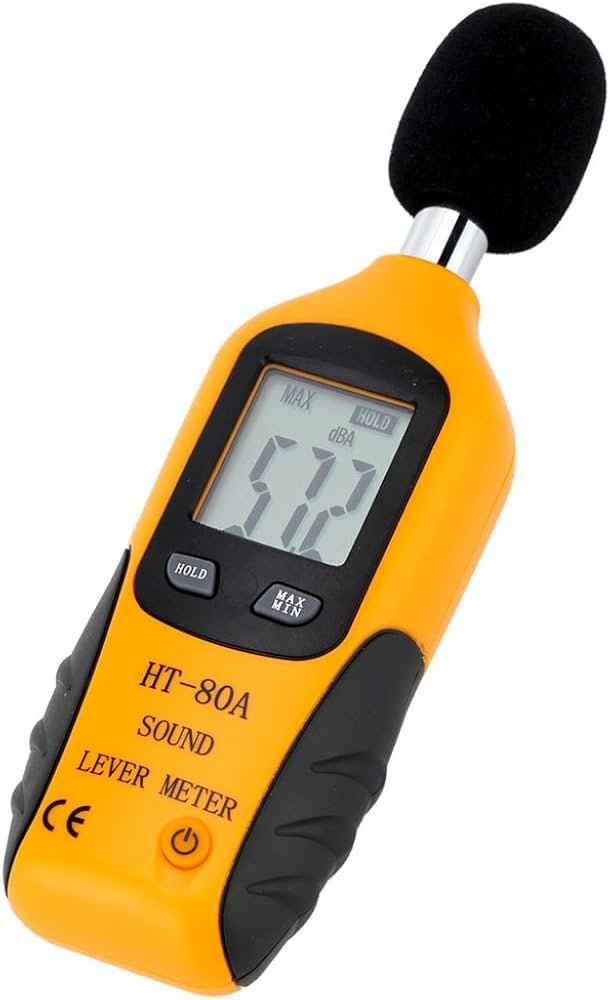
The Digital Sound Level Meter is designed to measure ambient noise levels accurately in industrial, commercial, and environmental settings. It provides clear digital readings in decibels (dB) for compliance monitoring and safety assessments.
Widely used in factories, construction sites, and environmental studies, it helps ensure workplace noise remains within permissible limits and supports occupational health standards.
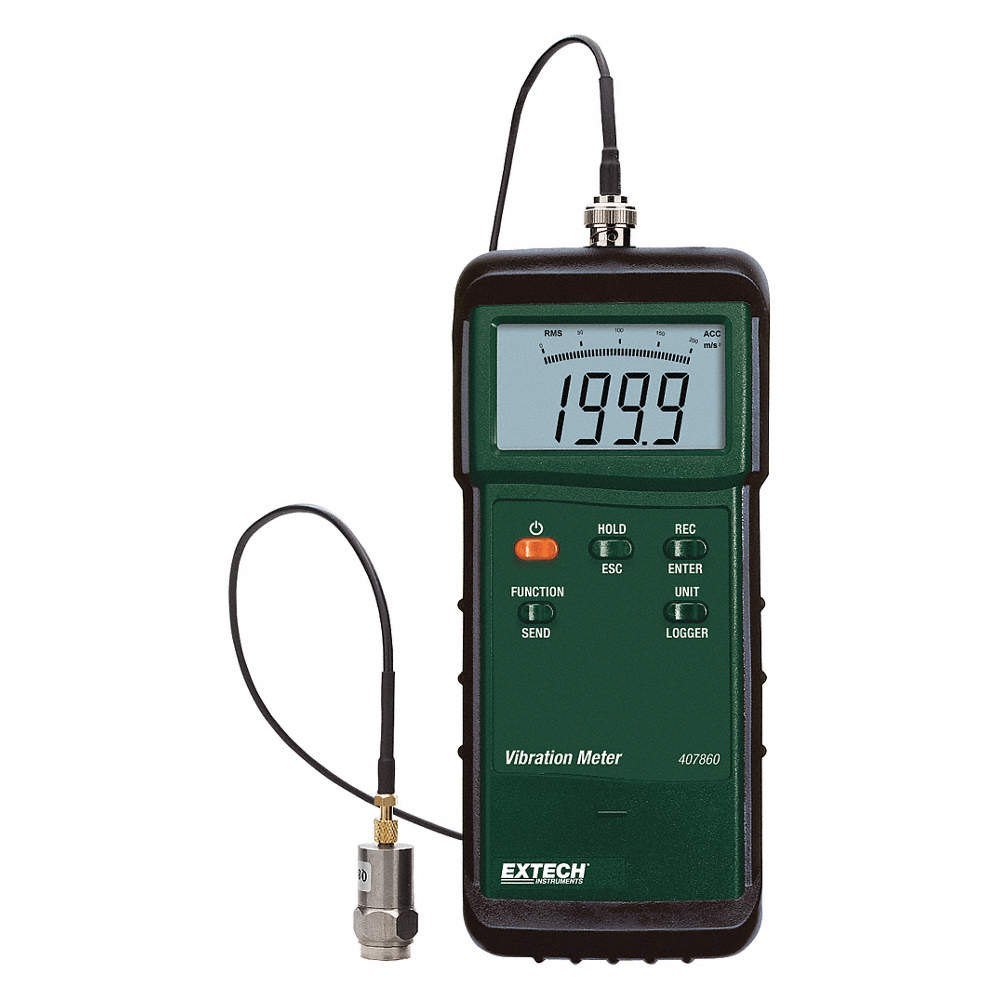
The Digital Vibration Meter measures vibration levels in rotating and moving machinery to detect mechanical issues such as imbalance, looseness, or bearing wear.
It is an essential tool for predictive maintenance programs in manufacturing plants, power stations, and heavy industries, helping reduce downtime and improve equipment reliability.
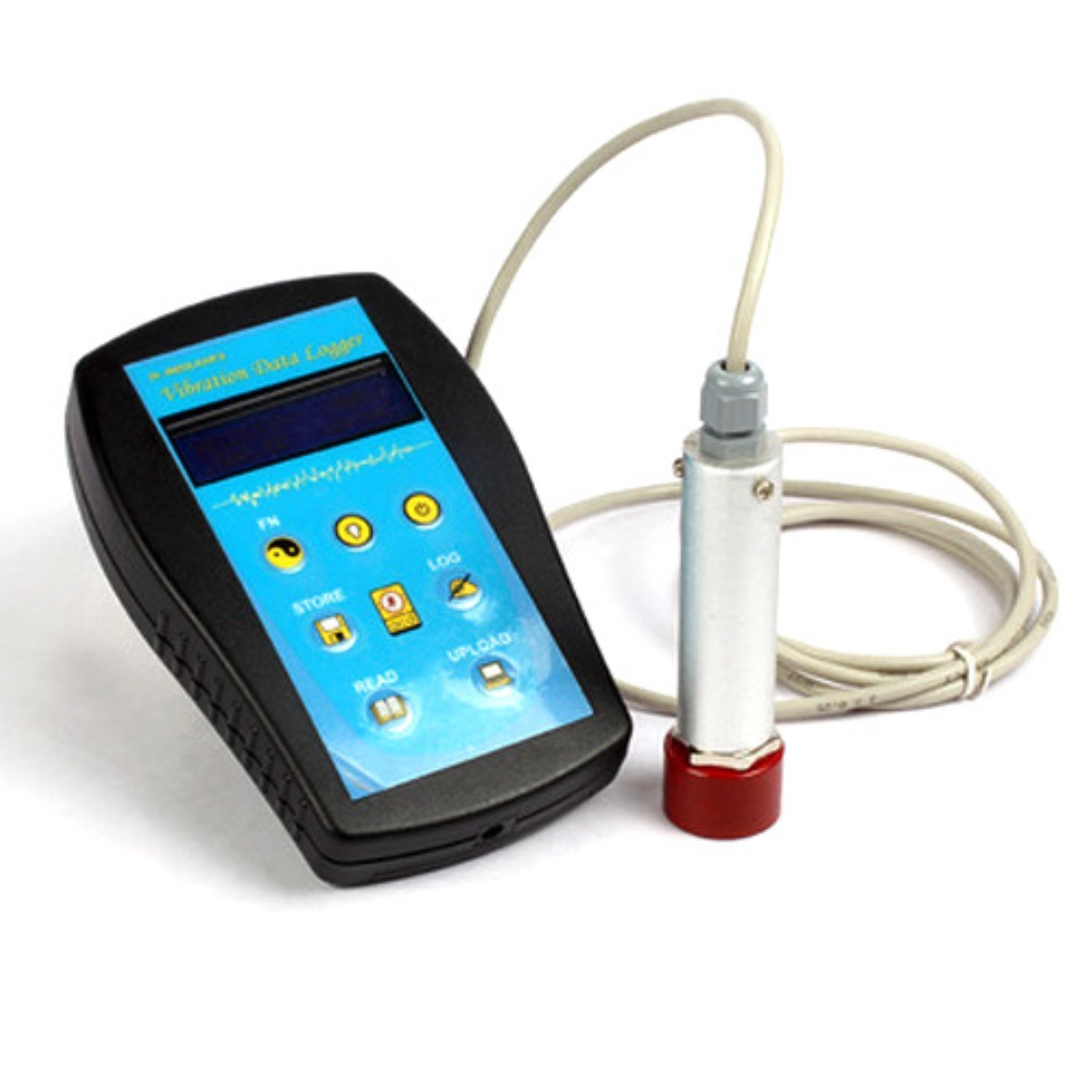
The Digital Vibration Data Logger records vibration levels over time for detailed analysis and condition monitoring.
It enables engineers to track performance trends, identify early warning signs of failure, and make data-driven maintenance decisions. Common applications include industrial machinery monitoring and structural health assessment.
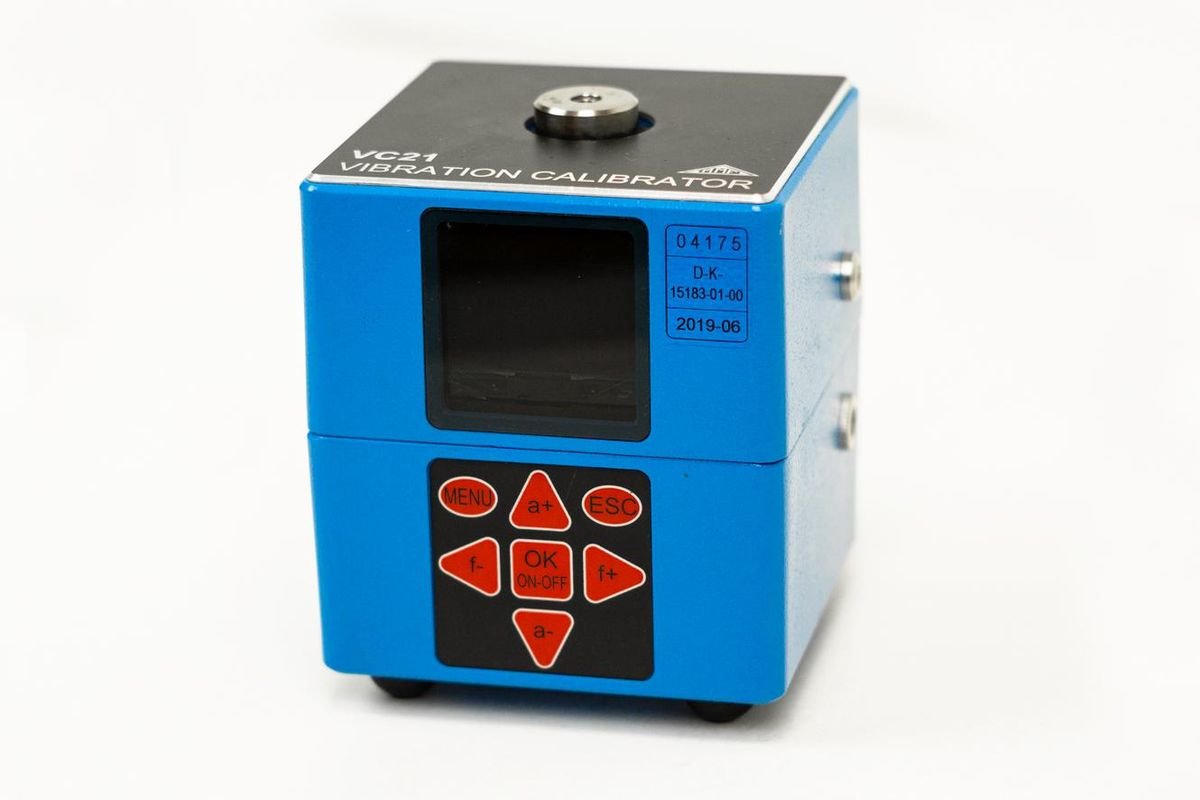
The Digital Vibration Calibrator is used to verify and calibrate vibration measurement instruments to ensure accuracy and compliance with standards.
It is widely used in calibration laboratories and industrial maintenance departments to maintain the reliability and precision of vibration monitoring systems.
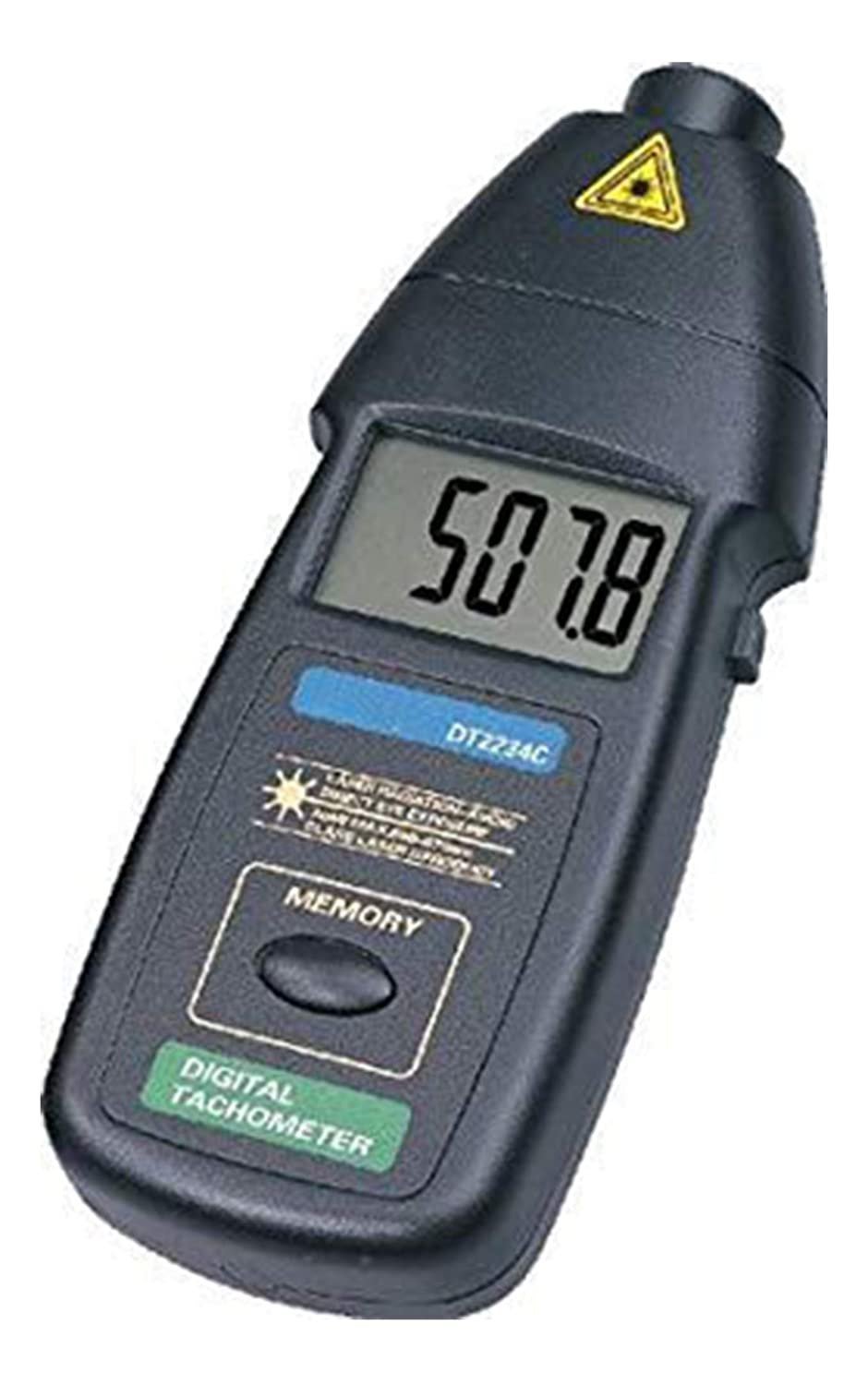
The Digital Tachometer is designed to measure the rotational speed of shafts, motors, and rotating equipment. Available in contact and non-contact models, it provides flexible measurement options.
The non-contact version uses optical sensing technology, while the contact version directly measures rotational speed through physical contact. It is commonly used in maintenance, quality control, and equipment diagnostics across industries.